
Science vs. Superstition: Does “Icing the Kicker” Actually Work?
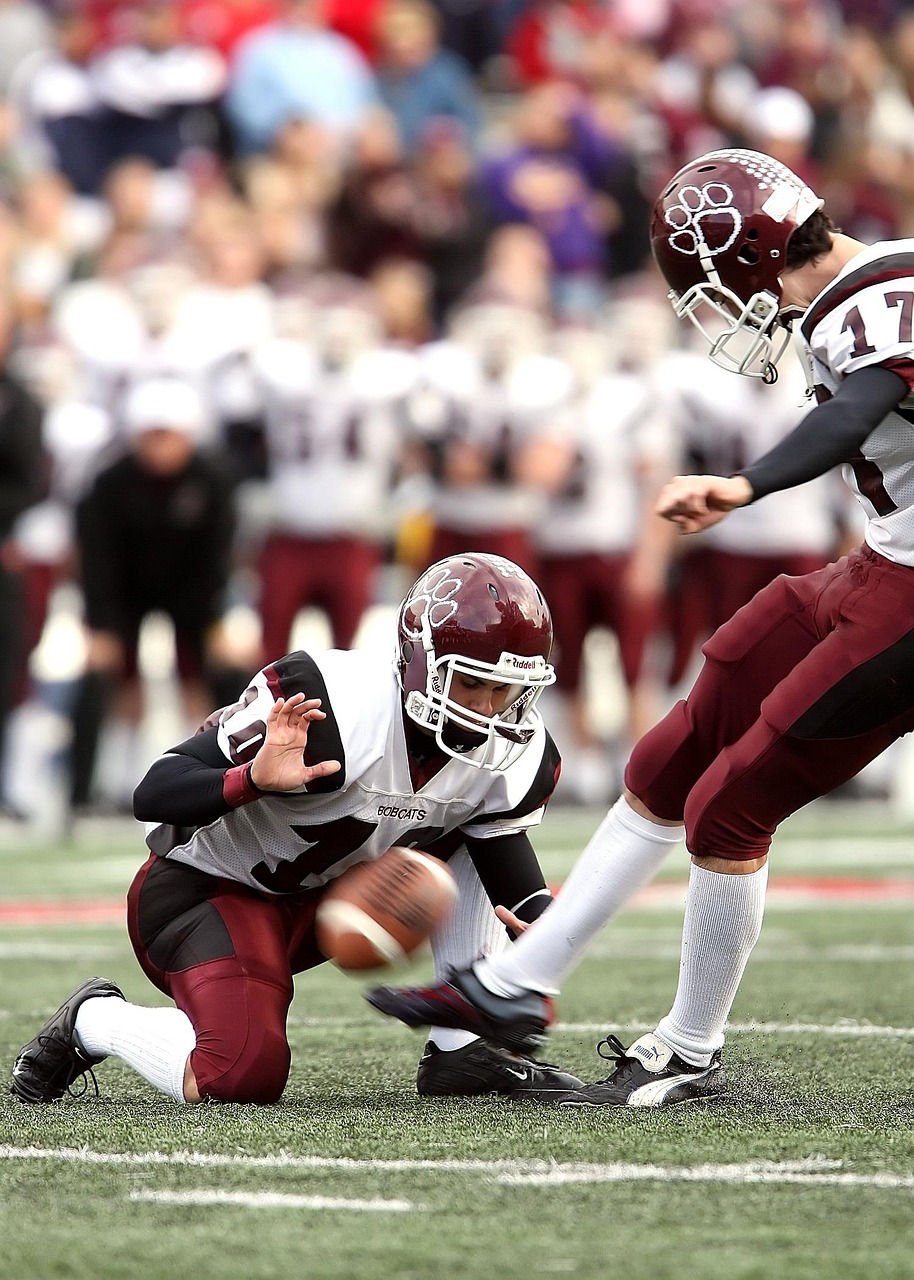
It’s the final ten seconds of the game. The kicker steps onto the field. Suddenly, the opposing coach calls a timeout. We call it “icing the kicker,” and the goal is to make the athlete “ruminate”—or overthink—the high-stakes moment.
But does it work? A 2025 brief report in Journal of Applied Sport Psychology analyzed a quarter century of NFL data. The verdict: While pressure kicks in general have a lower success rate, the specific act of “icing” by an opposing coach often has a negligible impact. In fact, many elite kickers use that extra time to their advantage.
How to Handle the “Ice”:
- Develop a “Dead Time” Routine. Don’t just stand there during the timeout. Have a specific mental script or a physical “reset” (like adjusting your gloves in a specific order) to fill the gap so your mind doesn’t start wandering to the “what ifs.”
- Use the “Practice Snap” Advantage. If the whistle blows late and you get to swing through the ball, use it as a free data point. Note the wind and the feel of the turf. The timeout just gave you a “rehearsal” that the defense didn’t get.
- Focus on Process Cues. When the timeout ends, don’t think about the score. Focus on one internal cue (e.g., “head down” or “smooth follow-through”). By narrowing your focus to a physical movement, you leave no room for the anxiety of the outcome.
This brief report highlights a central theme in mental performance: the environment only has as much power as the athlete gives it. With the tactical threat of a late-game timeout, the solution lies in perspective. By understanding the science behind these pressures, athletes can move from being reactive to being proactive.
Control the Controllables:
The myth of “icing the kicker” persists because it makes for great television drama, but as the data shows, it rarely breaks a prepared athlete. The true battle isn’t against the opposing coach’s timeout; it’s against the internal “rumination” that can fill the silence. Whether you are a kicker on the field or a student-athlete facing a high-pressure exam, the lesson is the same: have a routine for the “dead time.” When you master your mental script, a timeout isn’t a distraction—it’s just a few extra moments to breathe, reset, and prepare for excellence.
How to handle the mental game of kicking This video provides practical mental cues and routine-building tips that directly help kickers manage the “icing” scenarios discussed in the second blog post.
Key Findings:
This Brief Report analyzed the long-debated “icing the kicker” strategy (calling a timeout just before a field goal attempt). The study compiled data on pressure kicks to see if the timeout actually induces “rumination” or performance anxiety. While some older studies showed mixed results, this recent analysis suggests that while timeouts in general can slightly disrupt a kicker’s rhythm, the specific “icing” attempt by an opposing coach often has a negligible or statistically insignificant effect on the actual conversion rate compared to other factors like distance and environmental conditions.
Based on: Goldschmied, N., Ratkovich,T., & Raphaeli, M. (2025). Brief report: Exploring the icing the kicker strategy in the NFL, Journal of Applied Sport Psychology, 37(3), 389-396.