
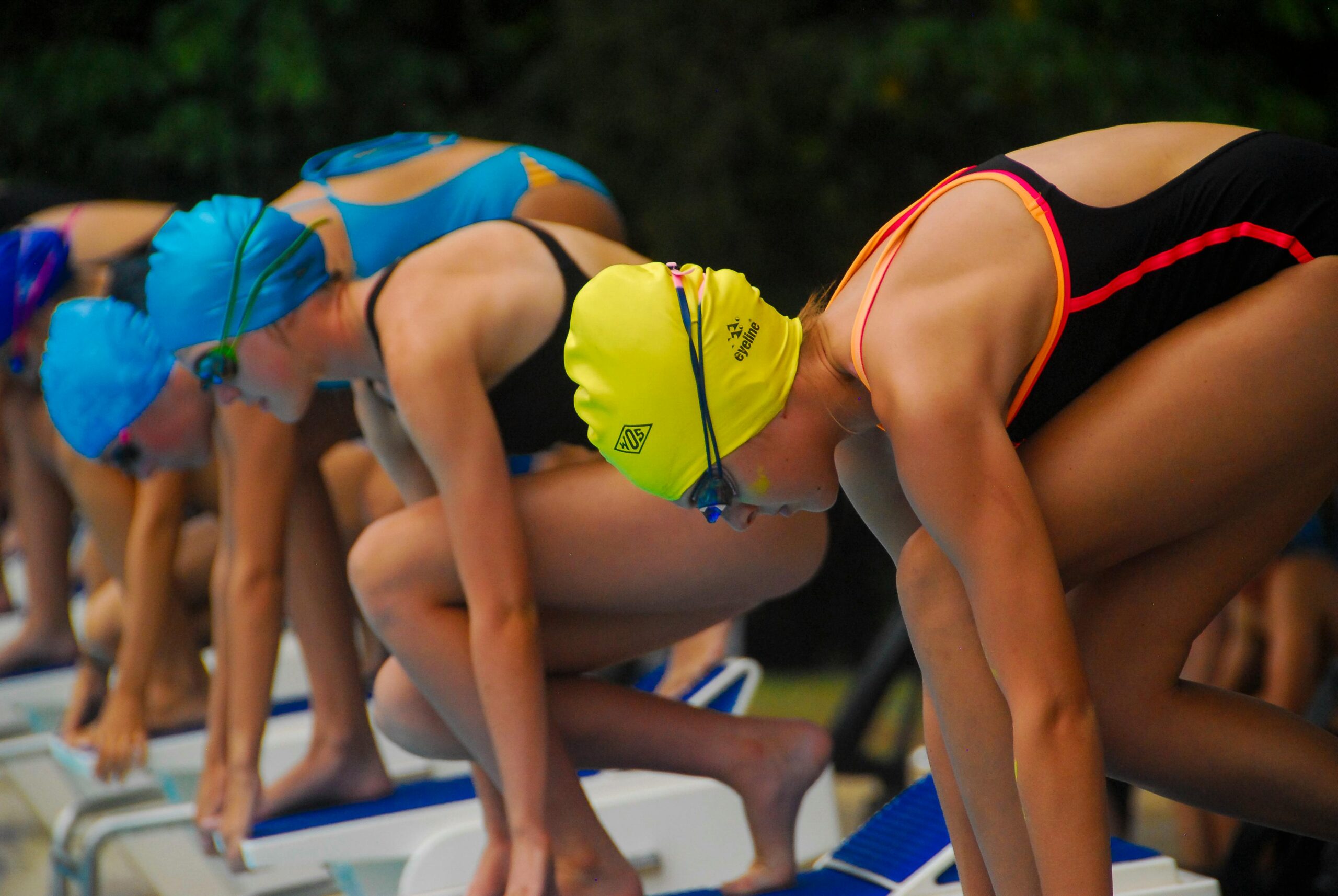
In the world of sports, mental strength is just as important as physical prowess. For our elite youth and amateur athletes, understanding and managing emotions can be the key to unlocking peak performance. This brief guide will introduce you to 11 emotional regulation strategies that can help athletes navigate the highs and lows of their journey.
- Deep Breathing
- Deep breathing is a simple yet powerful technique that calms the nervous system. It involves inhaling slowly through your nose for a count of four, holding for four, and exhaling through your mouth for a count of four. This strategy is particularly useful in situations of anxiety, stress, or anger.
- Mindfulness Meditation
- Mindfulness meditation encourages being present and non-judgmentally observing thoughts and feelings. Find a quiet space, focus on your breath, and gently bring your attention back if your mind wanders. This technique is beneficial for general emotional regulation, stress reduction, and increasing self-awareness.
-
-
- Using a recording (e.g., YouTube) can help get things started. Hit play and follow along.
-
-
- Mindfulness meditation encourages being present and non-judgmentally observing thoughts and feelings. Find a quiet space, focus on your breath, and gently bring your attention back if your mind wanders. This technique is beneficial for general emotional regulation, stress reduction, and increasing self-awareness.
- Cognitive Restructuring
- Cognitive restructuring involves identifying and challenging irrational or negative thoughts. Identify negative thoughts, examine their accuracy, and reframe them with more realistic or positive alternatives. This strategy is effective in addressing anxiety, depression, and distorted thinking patterns.
- Progressive Muscle Relaxation
- Progressive muscle relaxation is a technique that involves systematically tensing and relaxing muscle groups to reduce physical tension. Start with your toes and work your way up, tensing each muscle group for a few seconds and then releasing. This technique is useful in reducing physical symptoms of stress and anxiety.
- Self-Compassion
- Self-compassion is the practice of treating oneself with kindness and understanding, especially during difficult times. Offer yourself the same empathy and support you would give to a friend. This practice is useful in combating self-criticism, guilt, and low self-esteem.
- Journaling
- Journaling involves writing about your thoughts, emotions, and experiences. Write freely and without judgment, exploring your feelings and their underlying causes. This practice is useful in gaining insight into your emotions, tracking triggers, and reducing emotional intensity.
- Distraction Techniques
- Distraction techniques divert your attention away from distressing emotions. Engage in activities like puzzles, hobbies, or exercise to shift your focus. This strategy is useful in managing intense emotions, cravings, and compulsions.
- Social Support
- Seek support from friends, family, or a therapist to process emotions. Share your feelings and experiences with a trusted person who can offer empathy and guidance. This strategy is useful in coping with grief, stress, and interpersonal conflicts.
- Time Management
- Effective time management helps reduce stress by organizing tasks and responsibilities. Prioritize tasks, create schedules, and set realistic goals to manage time efficiently. This strategy is useful in handling work-related stress and improving work-life balance.
- Problem Solving
- Problem-solving techniques help identify, analyze, and address the root causes of emotional distress. Break down problems, generate solutions, and implement them step by step. This strategy is useful in reducing stress related to life challenges and decision-making.
- Positive Self-Talk
- Positive self-talk involves replacing negative or self-critical thoughts with affirming, self-compassionate language. Challenge and reframe self-defeating thoughts with positive and constructive ones. This strategy is useful in boosting self-esteem and managing self-doubt.
Remember, emotional regulation is a skill that takes time and practice to develop. Be patient with yourself and celebrate your progress along the way. Here’s to your journey towards emotional mastery and peak performance!