
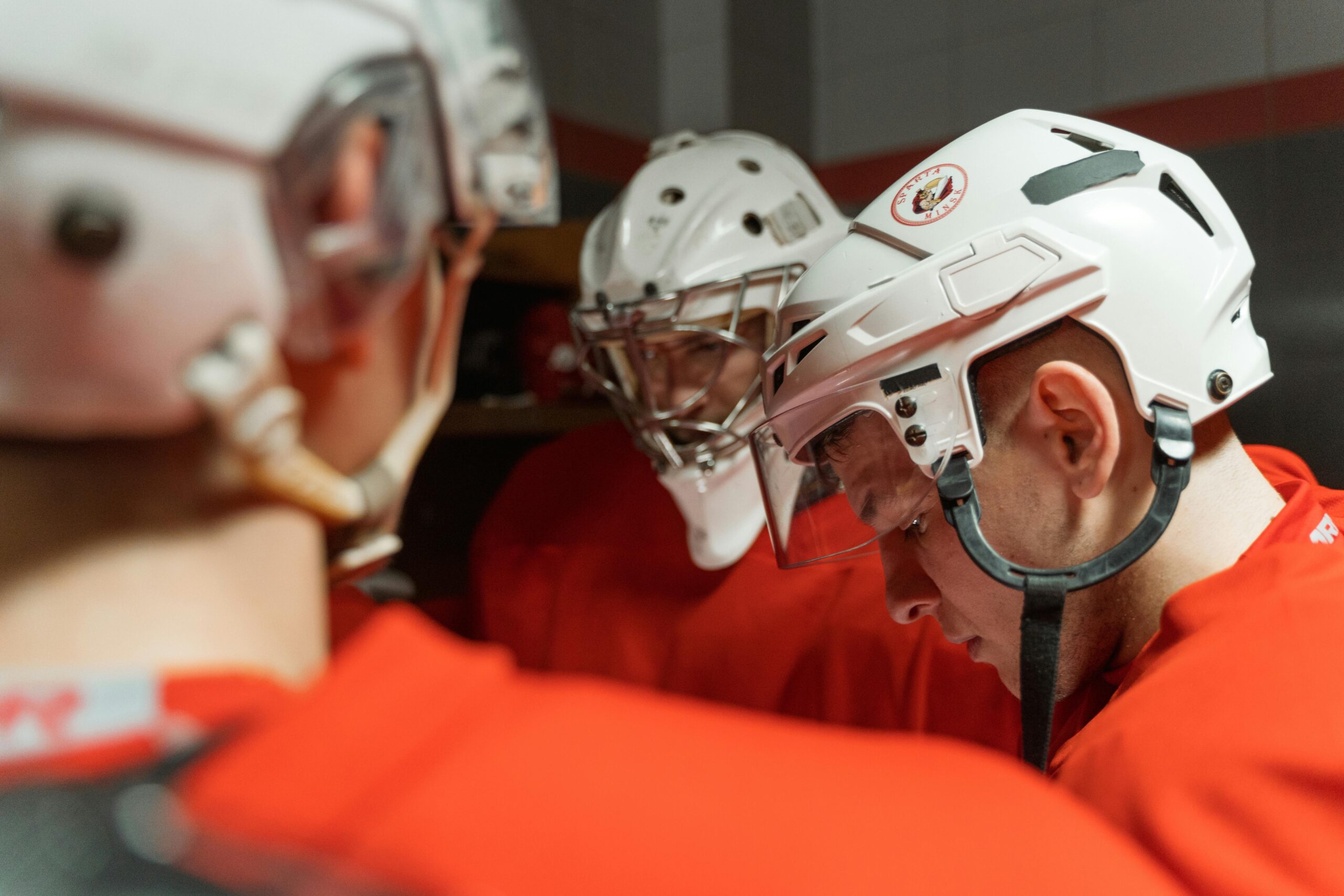
Every coach wants their veterans to take newcomers under their wing. However, recent research published in Journal of Applied Sport Psychology reveals a psychological barrier: Status Conflict – athletes are significantly less willing to help a new teammate if that newcomer plays the same position and is perceived as high-status.
In short, if a veteran feels their “starting spot” is under threat, they are less likely to offer the socialization and support the team needs to thrive.
How to Handle Status Conflict:
- For Coaches:
- Clarify Roles Early. Conflict thrives in ambiguity. If a veteran knows exactly what their role is—and that their status is valued for more than just their “stats”—they feel more secure. Frame veteran leadership as a “legacy” role rather than a “replacement” countdown.
- For Veterans:
- Adopt a “Growth Mindset” Rivalry. Instead of seeing a newcomer as a threat to your spot, see them as a “performance partner.” A high-status newcomer raises the intensity of practice, which makes you a better athlete.
- For Newcomers:
- Lead with Humility. Acknowledge the veteran’s experience. Asking for advice (“How do you handle the wind on this field?”) can disarm the status threat and turn a potential rival into a mentor.
This report highlights a central theme in mental performance and group dynamics: the environment only has as much power as the athlete gives it. Whether it is a social threat, the solution lies in perspective. By understanding the science behind these pressures, athletes and coaches can move from being reactive to being proactive.
Building a Culture of Security:
Ultimately, the research reminds us that a “team-first” mentality doesn’t happen by accident—it must be protected from the natural human instinct to guard one’s status. When veterans feel their identity is tied to their leadership and character rather than just their spot on the depth chart, the “invisible wall” of status conflict disappears. By proactively addressing these social dynamics, mentors and coaches can transform potential rivals into the greatest assets for a newcomer’s development, ensuring the team’s long-term success isn’t sabotaged by short-term insecurity.
Key Findings:
This brief investigated “positional competition”—the conflict that arises when a newcomer threatens an established athlete’s role or status. The researchers found that athletes are significantly less likely to help or socialize with a newcomer if that person plays the same position and is perceived as high-status (a direct threat to the veteran’s playing time). This suggests that “status threat” can severely hinder the natural socialization and teamwork process in competitive sports.
Based on: Boroumand, S.M., Eys, M., & Benson, A.J. (2018). How status conflict undermines athletes’ willingness to help new teammates, Journal of Applied Sport Psychology, 30(3), 358-365.